
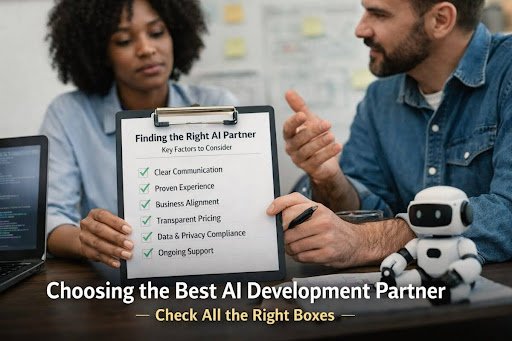
Choosing the right AI development partner isn’t just about ticking off a list of technical skills. It’s about finding a team that understands your goals, communicates well, and doesn’t throw buzzwords at you just to sound smart. Whether you’re building a product from scratch, need help with a feature, or just want to test something out, the team behind the code matters just as much as the code itself.
Let’s walk through what really counts when you’re evaluating AI development companies. No fluff. No overcomplication. Just real stuff to look for.
1. Clear Communication From the Start
If you’re reaching out to a company and they’re throwing jargon at you right from the first call, that’s a red flag. Your AI development partner should be able to break things down in plain language. You’re not expected to be an expert — that’s their job.
You should feel comfortable asking questions without getting vague or overly technical answers. If they’re not clear now, imagine how confusing things could get mid-project.
2. Real-World Experience (Not Just Buzz)
You want someone who’s worked on actual projects that made it out into the real world. Ask for examples. Not just slides or demos — real outcomes. What did the tool do? Who used it? What changed after it launched?
If a team says they’ve worked in “AI solutions,” that doesn’t mean much. Get specifics. For example, did they build an AI Interview Tool to screen job applicants? Did they work on automating customer support for a healthcare app? Were they part of a recommendation engine for eCommerce?
These real-world projects tell you way more than generic claims ever will.
3. A Solid Understanding of Your Business
You don’t want a partner who just builds whatever you tell them to, without asking why. Good developers ask questions. They push back when something doesn’t make sense. They try to understand what you’re aiming for — not just what you wrote in the brief.
AI development is not just about writing code. It’s about solving problems in a way that actually works for your business. The best teams will care about your goals, not just their portfolio.
4. Transparency in Process and Pricing
Some companies throw around flexible pricing models, then change everything once you’re locked in. That’s not how it should go.
Look for a team that’s upfront about timelines, costs, and how they handle changes. They should walk you through how the project is structured — what’s done first, when feedback happens, how they test, and what happens if something goes off-track.
If they avoid these conversations, that’s not a good sign.
5. Team Structure and Skill Set
You want to know who’s working on your project — not just a fancy sales rep you met on the first call. Who’s actually building the thing? Are they experienced? Do they specialize in AI, or are they generalists?
Ask about roles. Is there a dedicated project manager? Do they have data engineers? Machine learning folks? Testers?
And if you’re looking to hire AI developers on a longer-term basis instead of outsourcing the whole thing, ask how they handle that. Can you bring developers in-house? Are they open to contract-to-hire?
Flexibility matters here.
6. Awareness of Legal, Privacy, and Ethical Concerns
AI isn’t just about building cool stuff. There’s data, privacy laws, and ethical boundaries involved. Your partner should have a clue about GDPR, data handling rules, and the broader impact of AI tools — especially if your product involves personal or sensitive data.
If you’re building a tool that screens resumes or processes user data, your team should be able to explain how they’re managing bias, securing data, and complying with local laws. If they say “that’s your job,” you probably need a different partner.
7. Flexibility With Tools and Technologies
Every AI tool doesn’t need to be built in Python with TensorFlow, and not every project needs a chatbot. Your partner should recommend tech based on what you need, not what they prefer.
If they always push the same stack for every client, that’s a red flag. Ask about past tools and tech choices. A good team adapts — they don’t force you into one box.
Some companies specialize in certain tools, like building custom AI Interview Tool platforms that integrate with your existing hiring systems. Others might focus more on analytics or automation. Just make sure they’re not forcing tech decisions without explaining the why.
8. Post-Launch Support
What happens after launch? Bugs, updates, user issues — they’ll come up. Is your partner going to vanish after deployment, or are they in it for the long haul?
Support should be part of the conversation from the beginning. How do they handle bugs? Do they offer retainer support? What about version updates or user feedback implementation?
If their answer is “we’ll figure it out later,” run.
9. Honest Reviews and References
Don’t skip this. Ask for references and read reviews. And when you’re on a call with a past client, don’t just ask “Were you happy with the project?” Get specific.
- How did the team handle roadblocks?
- Were deadlines met?
- Were there communication issues?
- Did the product deliver actual results?
Most clients will be honest if you ask the right questions.
10. Regional Expertise (If That Matters to You)
Outsourcing AI development isn’t new, but where your team is based can still make a difference. If you’re looking at AI development in India, you’ll find a mix of freelance developers and full-service agencies.
Plenty of top-tier talent is based in India, especially when it comes to cost-effective hiring without compromising on quality. Time zones, communication styles, and legal considerations may come into play. It’s worth understanding how the team manages international clients — and if they have experience working with US-based businesses.
11. Ask: Are They Just Developers, or Actual Partners?
This one’s a bit more gut feel than checklist. After a few meetings or calls, ask yourself:
- Do they care about your business, or just the project?
- Are they giving honest advice, or just agreeing to everything?
- Do they challenge you in a helpful way?
Good partners don’t always say yes. Sometimes they’ll save you from bad decisions by pushing back — and that’s a good thing.
Final Thoughts: Choose the People, Not Just the Company
You’re not just hiring a company. You’re trusting people to help shape something you care about. Whether it’s a hiring tool, a customer service bot, or an analytics engine — the right team makes all the difference.
Don’t rush it. Ask the tough questions. Get into the weeds. And trust your gut.
Need a checklist? Here’s a quick one:
- Clear communication
- Real-world project examples
- Business understanding
- Transparent pricing and process
- Solid team structure
- Legal and ethical awareness
- Tool flexibility
- Post-launch support
- Verifiable references
- Cultural fit or regional awareness
- Honest partnership vibe
Ticking off every item isn’t mandatory, but the more boxes you can check, the better your chances of success.


