
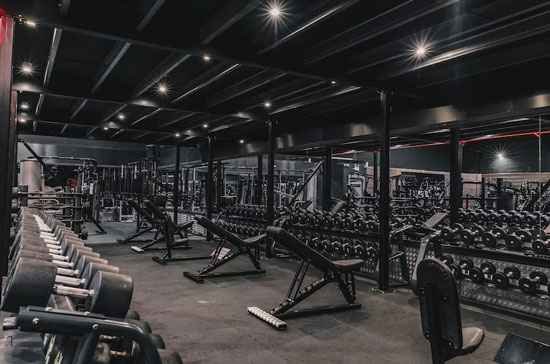
Melbourne’s fitness industry is expanding rapidly, with major commercial gyms, schools, community sports facilities, boutique studios, and high-performance training institutes. With such a diversified terrain, choosing the best gym equipment Melbourne is no longer a straightforward buying decision. It has evolved into a strategic investment that is vital to a facility’s competitiveness, performance, and growth.
The commercial exercise equipment selection has a direct impact on operating efficiency, return on investment, member experience, safety requirements, and long-term retention. Every equipment decision made by facility owners and managers should strike a balance between longevity, functionality, and today’s increasing member expectations. Whether a fitness centre is launching for the first time, extending its offerings, or undergoing renovations, a thoughtful and forward-thinking approach to equipment selection can ultimately decide its long-term success.
Understand the Purpose of Your Facility
Before selecting any equipment, it is critical to carefully determine how the space will be utilised. Commercial fitness facilities vary greatly, and equipment should be aligned with users’ training goals.
Consider whether your facility specialises in strength and general fitness, high-performance training, small group or individual coaching, rehabilitation and recovery, or school and community programming.
Each objective necessitates a unique equipment arrangement. Selectorized equipment and low-impact cardio may be required in rehabilitation facilities, whilst strength racks, plyometric tools and sledge tracks are frequently preferred in performance centres.
Prioritise Commercial Grade Durability
Durability is one of the most crucial considerations when buying exercise equipment in Melbourne. Commercial exercise equipment is made to endure heavy loads, frequent use, and a variety of users.
When evaluating the quality of equipment, consider:
- Frames made of heavy gauge steel.
- Weld locations that are reinforced.
- Textured surfaces with non-slip grips.
- Superior padding and upholstery.
- For safety, a stable base construction.
Purchasing commercial-grade equipment ensures a safer training environment for members, lowers maintenance costs, and minimises downtime.
Choose Equipment That Maximises Space
Many Melbourne facilities, particularly those in inner-city regions, operate with little floor space. Smart equipment choices assist increase training capacity while avoiding overcrowding.
Multipurpose racks, adjustable benches, modular storage, small cardio equipment, and vertical or wall-mounted storage are all examples of effective space planning. A well-designed layout improves flow, increases safety, and creates a more polished, professional environment.
Balance Free Weights and Machines
Both machines and free weights are part of a well-rounded commercial exercise establishment. Each has a distinct function and appeals to certain users.
Dumbbells, barbells, and kettlebells are examples of free weights that facilitate athletic training, strength development, and functional movement. Machines offer regulated movement patterns that are perfect for high volume training, rehabilitation, and novices.
Facilities can serve a larger audience and enable advanced training programs with a well-balanced mix.
Consider Flooring and Safety Accessories
Although it is often overlooked, gym flooring is essential to both user safety and equipment function. Different flooring options are needed for various training areas.
Typical flooring choices consist of:
- Rubber flooring for places with no weight.
- Mats that cushion shock for lifting platforms.
- Turf for agility exercises and sledge training.
- Non-slip surfaces for areas used for functional training.
Collars, spotter arms, storage racks, and protective mats are examples of safety equipment that improve usability and lower the chance of accidents.
Plan for Growth and Adaptability
Commercial gyms and training facilities inevitably alter over time. Choosing adaptable commercial workout equipment allows your facility to expand and adapt without the need for ongoing investment.
Search for equipment that:
- Supports modular expansion as your facility grows.
- Adapts readily to shifting training styles and program requirements.
- Provides add-ons or replaceable attachments.
- Caters to people with various fitness levels and experience.
This type of adaptability helps to future-proof your facility, ensuring that it meets member expectations as training trends and usage patterns change.
Focus on User Experience
Facilities that are user-friendly, secure, and well-run have a higher chance of retaining members. The entire experience is influenced by the equipment’s design, usability, and accessibility.
Among the user-focused factors are:
- Clear equipment spacing
- Logical zoning of training areas
- Comfortable grip and adjustment mechanisms
- Visible safety signage and instructions
A well-considered arrangement promotes regular use and gives members confidence during training.
Think Long Term Value, Not Just Cost
Purchase selections should be based on long-term value even though upfront pricing is important. Investing in commercial exercise equipment has long-term effects for your company.
Consider elements like:
- Anticipated lifespan
- Requirements for maintenance
- Coverage under warranty
- Accessibility of substitute components
- Continuous assistance and maintenance
In terms of longevity, safety, and increased member satisfaction, higher-quality equipment frequently yields greater results.
Wrapping Up
Selecting the best exercise equipment in Melbourne necessitates a calculated strategy that strikes a balance between long-term value, user experience, space efficiency, and durability. Effective equipment selection is essential to corporate performance, whether a facility is being upgraded or a new one is being fitted out.
In Melbourne’s cutthroat fitness market, you may establish a training environment that promotes performance, safety, and sustainability by knowing the goal of your facility, giving commercial fitness equipment standards top priority, and making expansion plans.


