A commercial fit-out might include more than just new flooring, dividers, and paint. Depending on the age and architecture of the building, remodelling work may disrupt asbestos-containing elements. This is especially important in older commercial properties, since asbestos was historically often employed in building products and services.
As a result, asbestos testing should be considered before a commercial fit-out commences. Identifying suspected asbestos-containing materials early on can help businesses, contractors, and tradespeople plan their projects properly and avoid unanticipated disruptions.
Why asbestos can still be found in commercial buildings
Since December 2003, Australia has forbidden the use of asbestos and asbestos-containing products, but materials installed prior to the ban can stay in existing buildings. According to Safe Work Australia, fibrous cement sheeting, vinyl tiles, roofing materials, electrical components, insulation, and other building goods are all possible sources of asbestos in older homes.
Asbestos can be found in unexpected places in commercial buildings. It could be found behind walls, beneath floors, around electrical systems, or in other building components that a fit-out contractor may need to modify.
When a refurbishment requires drilling, cutting, removing fittings, opening walls, or disrupting existing surfaces, the risk increases. Even seemingly intact materials may require thorough inspection before work begins.
Why testing matters before a commercial fit-out
An asbestos register can provide useful information, but it may not necessarily include all areas affected by a proposed renovation. According to Safe Work Australia’s recommendations, before demolishing or refurbishing, assess the register and conduct a suitable survey, including sampling and testing as needed.
Testing can help determine whether a suspected material contains asbestos. According to SafeWork NSW, laboratory testing is the only way to know for certain whether a substance contains asbestos, and sampling should be done by adequately qualified people.
This information can have an impact on a fit-out project’s work plan before contractors arrive on site. It can help identify materials that need to be left alone, maintained under appropriate conditions, or removed before additional activity begins.
What happens if asbestos is discovered?
Finding asbestos does not always imply that a project must be put on hold indefinitely. The right response is determined by several aspects, including the material, its condition, location, and whether the intended work may disrupt it.
Assess before disturbing
Suspected asbestos should not be drilled, chopped, sanded, shattered, or removed just because it appears to be part of the remodelling site. A knowledgeable specialist can evaluate the content and suggest the best next move.
Plan any required asbestos removal
Where asbestos must be removed, the job should be coordinated with the relevant state or territorial requirements. Asbestos removal license requirements differ throughout Australia; therefore firms should consult with the relevant WHS regulator.
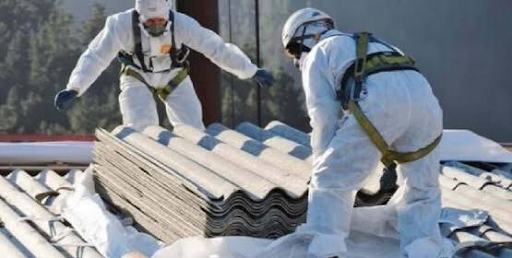
This is when commercial asbestos abatement may be part of a larger rehabilitation strategy. Depending on the circumstances, it may include controlled removal, appropriate containment, disposal, and clearance processes before further fit-out work occurs.
Testing can prevent costly project disruptions
Discovering asbestos halfway through a fit-out can raise more than just safety concerns. Work may need to be paused while the item is evaluated, contractors may need to be rescheduled, and additional removal or disposal needs may need to be coordinated.
Testing before work begins improves clarity during project planning. It enables building owners, project managers, and contractors to assess possible asbestos risks before skilled workers begin disturbing existing materials.
It can also help to improve communication among everyone working on the site. When asbestos is discovered in a workplace, pertinent information should be documented and made available to workers and other PCBUs who may require it.
Do commercial properties need an asbestos register?
Workplace asbestos regulations fluctuate depending on the jurisdiction and conditions. Workplaces containing recognised, assumed, or anticipated asbestos are required to maintain an asbestos register under the model WHS framework, with older structures subject to additional obligations. Victoria has its own regulatory structure, thus enterprises operating there should consult WorkSafe Victoria to determine the necessary requirements.
An existing register should not be considered a substitute for evaluating the proposed fit-out area. If refurbishment may touch regions that have not been thoroughly surveyed, more evaluation may be required.
A safer starting point for commercial fitouts
Asbestos testing is more than just another item on a renovation checklist. It is a practical approach that can aid in identifying hidden risks before building begins.
For commercial property owners and project managers, the sensible approach is to study available asbestos information, analyse the areas affected by the intended fit-out, and schedule necessary professional testing where asbestos may be present. If asbestos is confirmed and may be disturbed, appropriate controls and, if necessary, licensed asbestos removal should be scheduled before the relevant work begins.
Taking these procedures early can assist protect workers and building occupants while also providing the project team with a more defined and predictable path through the fit-out.