
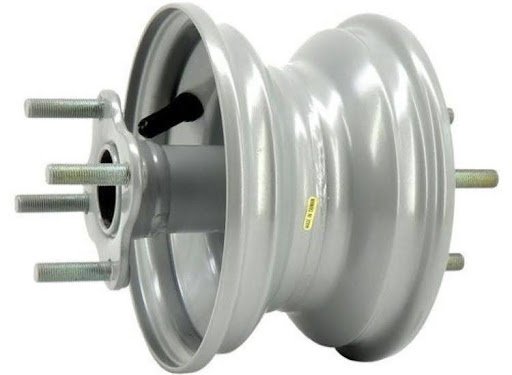
Getting started in karting is an exciting journey for motorsport enthusiasts, and one of the most critical components to understand is kart wheels. Often overlooked by beginners, wheels directly affect handling, grip, acceleration, and overall safety. From materials to sizing and hub compatibility, selecting the right wheels can significantly improve your kart’s performance and your experience on the track.
This beginner’s guide breaks down everything you need to know about kart wheel specifications, materials, and buying considerations before making a purchase.
Why Quality Kart Wheels Matter
In kart racing, precision is everything. The right set of wheels helps transfer engine power to the ground more efficiently, enhances cornering stability, and contributes to consistent lap times. Poor-quality or mismatched wheels can lead to vibration, traction issues, and even premature tire wear.
For new drivers, choosing durable, performance-oriented wheels ensures that learning to race is safer and smoother from day one.
Common Materials Used in Kart Wheels
Different wheel materials offer varying levels of durability, grip, and heat dissipation. Understanding these differences will help you match your wheel type to your racing goals and budget.
1. Aluminum Alloy
- Lightweight and corrosion-resistant
- Commonly used in both hobby and professional racing
- Excellent heat dissipation during intense runs
- Slightly more expensive but worth the investment
2. Magnesium
- Superior heat conductivity and lightweight structure
- Typically used in competitive karting
- Reduces tire temperature for better grip longevity
- More expensive and requires careful maintenance
For beginners, aluminum alloy wheels are often the best starting point due to their balance of cost, performance, and ease of care.
Key Specifications to Understand
When browsing for kart wheels, pay attention to the following specifications:
Diameter and Width
- Front wheels: Usually 5-inch diameter, 130–140 mm width
- Rear wheels: 5-inch diameter, 180–210 mm width
- A wider rear wheel provides more surface contact for better rear traction
Bolt Pattern
- Ensure the wheel’s bolt pattern matches your kart’s hub
- Most standard go-karts use a 3- or 4-bolt pattern
Offset
- Refers to the distance between the wheel’s mounting surface and its centerline
- Affects handling, turning radius, and chassis balance
- Some tracks or classes may regulate maximum allowable offsets
Matching offset specs with your kart’s frame and intended use (track vs. off-road) is essential for optimal performance.
Racing Class Considerations
Your kart’s category—whether it’s recreational, junior, or competitive—also influences your wheel selection:
- Recreational karts: Standard aluminum wheels offer sufficient performance
- Junior racers: Look for wheels with tighter tolerances and weight balance
- Professional racing: Magnesium wheels may be required for temperature control and speed
Always check your class’s rules before purchasing to ensure compliance with specifications.
Tips for Buying Kart Wheels
When you’re ready to purchase your first or replacement set, consider the following tips:
- Buy from reputable suppliers: They ensure authenticity and quality control
- Compare brands: Some wheels are optimized for wet weather, others for dry tracks
- Inspect before use: Always check for warping, cracks, or manufacturing defects
- Replace in sets: Mixing old and new wheels can cause balance and traction inconsistencies
If you’re shopping in a regional market, especially within the kart parts UK segment, check whether your wheels are compatible with UK track standards and chassis styles.
Maintenance and Longevity
Maintaining your kart wheel ensures safety and performance:
- Clean after every race to remove rubber and dust
- Store in a cool, dry place away from direct sunlight
- Periodically rotate wheels to ensure even wear
- Monitor hub connection points for stress damage
High-quality wheels can last several seasons if cared for properly.
Final Thoughts
For beginner karting enthusiasts, understanding and selecting the right kart wheels is a fundamental step toward better racing experiences. From materials to measurements and compatibility, each decision plays a role in how your kart handles and responds on the track. Quality wheels may cost more upfront but offer far better performance and safety in return.
Take time to research your options, match them with your kart type, and align with your racing goals. With a solid set of wheels beneath you, your karting journey will get off to a fast, confident start.