
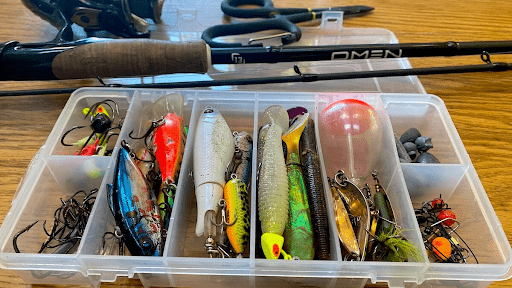
Coastal fishing offers a unique blend of adrenaline and tranquillity, with the right gear being a factor determining a trophy versus a tale of what could have been. The saltwater environment requires specific gear, primarily while selecting rods and developing complementary fishing tackle techniques for adverse conditions. There is an ever-growing necessity for the angler searching for everything from redfish to tarpon to understand the partnership of saltwater rods and complementary tackles.
Why They’re Built Differently
Saltwater rods aren’t simply freshwater rods with a fancy name. Saltwater rods are engineered to deal with the corrosive environment of saltwater, the UV radiation, and the brute strength of big ocean fish. The salient features include:
- Corrosion-resistant materials: Graphite composites, stainless steel guides, and coatings against rust and degradation.
- Power and action: Heavy power rods (medium-heavy to heavy) are suitable for larger fish, while fast or extra-fast action gives the sensitivity required for quick hook sets.
- Length and grip design: Longer rods (7−9 feet) facilitate casting distance in surf or offshore situations, while ergonomic grips cut down on fatigue during prolonged battles.
A saltwater rod’s construction directly affects performance. For example, an inshore angler fishing for speckled trout might opt for a lighter 7-foot rod, whereas an offshore angler chasing marlin needs heavy-duty 9-foot models. With proper matching of rod to species and environment, an angler will fish efficiently and control adequately.
How To Assemble the Tackle Ecosystem for Saltwater
It follows that saltwater fishing tackle must be as sturdy as its rods. Here’s making a tackle system:
- Reels: The Powerhouse Pairing
Saltwater reels have to have sealed drag systems stopping salt from intrusion. Spinning reels (size 4000–6000) are used for inshore species, while conventional reels work for heavy-duty offshore fishing. Always look for corrosion-resistant bearings, and “saltwater-safe” in saltwater use.
- Line: The Balance of Strength and Sensitivity
Braid (30–65 lb test) has almost no stretch, which supplies a lot of sensitivity you need to feel subtle strikes. Pair it with a fluorocarbon leader (20–40 lb) to make your line as visible as possible in clear water. Monofilament (50–100 lb) is best for big game fishing for shock absorption when fighting aggressive runs.
- Terminal Tackle: Hooks, Sinkers, and Swivels
- Circle hooks (2/0–8/0) work well for securing hook-ups and ensure viability for catch-and-release.
- Weighted jigs or pyramid sinkers steady the bait against strong currents.
- Ball-bearing swivels avoid line twisting when using live bait or lures.
- Lures and Bait: Imitating Coastal Prey
Choose lures according to local forage. In estuaries, soft plastic shrimp, topwater plugs, and spoons work best; while offshore the choices are trolling lures, skirted rigs, or live bait like mullet or squid.
Preparation Tips for the Coastal Conditions
A saltwater adventure depends on preparedness. Use these tips to avoid gear failure:
- Rinse, Rinse, Rinse
After a day on the water, rinse your rod, reel, and fishing tackle with freshwater solution to wash away salts. Pay special attention to the reel seats and guide frames; this is where corrosion starts.
- Inspect and Maintain
Check rod guides for cracks or grooves that could abrade the line. Lubricate the reel gears yearly and replace any worn drag washers-too-well-maintained gear will last for seasons longer.
- Pack Smart
Sort your fishing tackle according to species and techniques. Use waterproof tackle boxes for terminal tackle. Store soft plastics away from direct sunlight to prevent melting.
- Stay Adaptable
Coastal environmental conditions change in the blink of an eye. Carry rods of differing power rates and a tackle kit packed with lines of variable weights, multiple leader materials, and an array of lures that allow for speedy adjustments to changing tides or fish behavior.
Technique: An Acute Eye for Gear Performance
Without the right technique, even the finest saltwater rods and tackle won’t perform well. Some examples:
- Casting: Pendulum cast beyond breaking waves with a 9-foot rod.
- Jigging: Quick snap of the rod tip upward imitating the behavior of fleeing baitfish.
- Trolling: Maintain rods at a 45-degree angle when absorbing sudden strikes.
Cast in the open to perfect accuracy and try various retrieval speeds to find out which speed best matches the activity level of your targeted species.
Having a Coastal-Ready Arsenal at Your Disposal
Saltwater fishing thrives on preparation and setting priorities for protecting the environment. Saltwater rods designed to withstand corrosive environments coupled with tackles that balance strength and finesse give any angler confidence to tackle any coastal situation. The experience gets more enriching as maintenance, adaptability, and a slight observation of local ecosystems are included, turning the unpredictable coastal waters into the playground of opportunity.
Whether wading through mangrove flats or fighting pelagic in offshore waters, an arsenal filled with the right saltwater rods and tailor-fitted tackle guarantees that every single cast is ready and rigged for what lies beneath the surface.
