
Weak event audio rarely fails in an obvious way. Music still plays. Microphones still work. From a distance, everything appears functional. Yet something feels off in the room, and attendance energy never quite builds. This quiet underperformance is exactly why many organizers underestimate the true cost of poor sound.
The common belief is that audio only becomes a problem when equipment breaks or volume drops. That view is incomplete. In reality, most losses tied to sound quality are behavioral. Guests disengage sooner. Speakers repeat themselves. Audience focus drifts. None of these issues show up clearly on an event checklist, but the commercial impact accumulates.
Professionals in the events space have long understood that audio is not simply about audibility. It is about control, coverage, and consistency across the entire venue footprint. When those three factors are unstable, the audience experience fragments. People at the back strain to hear. Those near the front feel overwhelmed. Side areas become conversational zones rather than listening spaces.
This is where experienced planners start making different technical choices early in the process. Instead of selecting equipment based only on wattage or price, they look closely at how sound will travel through the room. Room geometry, ceiling height, crowd density, and surface materials all influence the final outcome. Ignoring these variables is often what creates the hidden cost later.
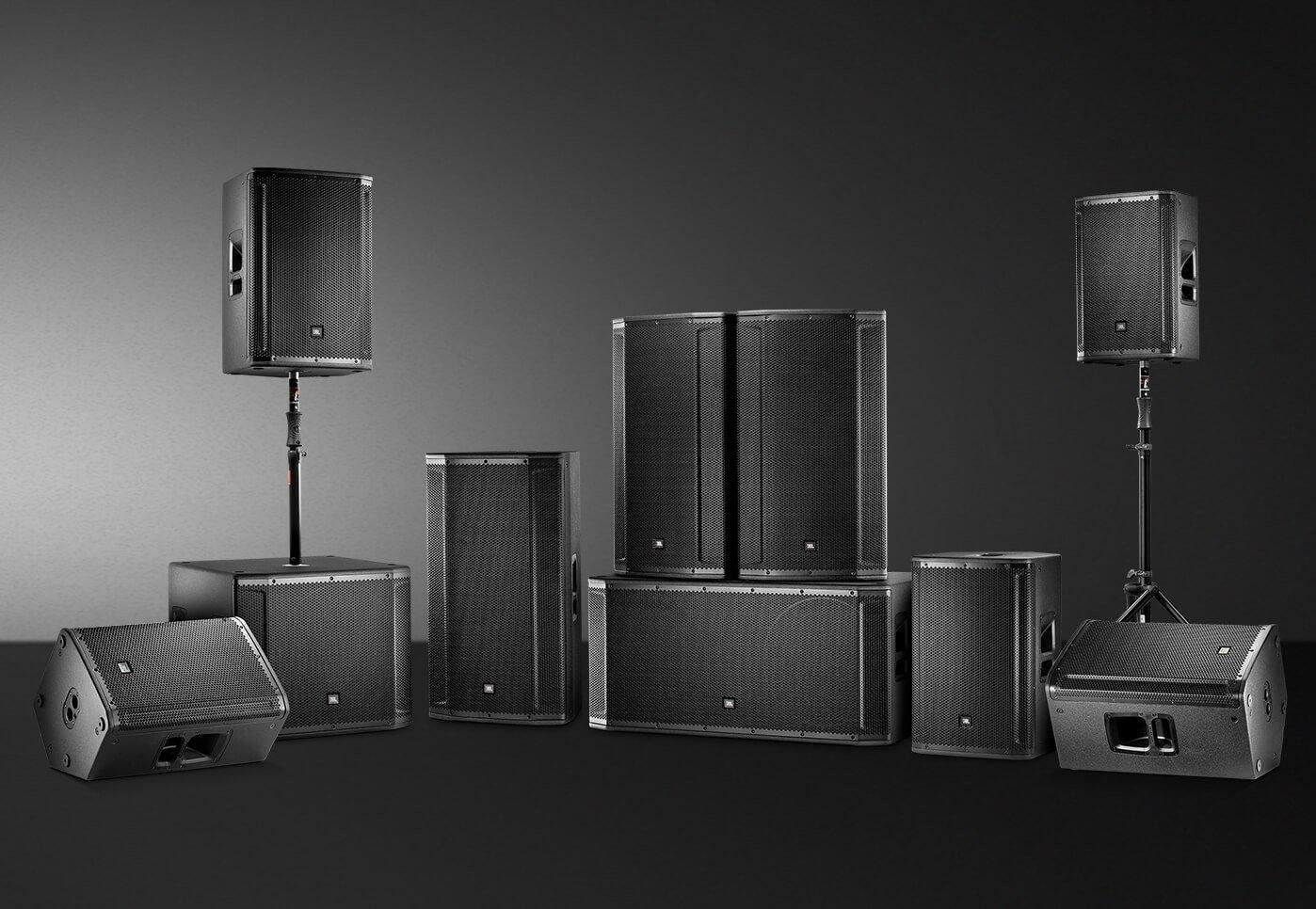
One of the most effective ways professionals reduce risk is by specifying professional loudspeakers designed for even dispersion. The aim is not raw power. It is predictable sound behavior. When coverage is consistent, presenters speak naturally, performers maintain energy, and audiences remain engaged without consciously noticing why.
The financial consequences of getting this wrong can be subtle but serious. Consider sponsor visibility. If keynote sessions feel flat or difficult to follow, brand recall drops. If live entertainment lacks clarity, guest satisfaction scores soften. These shifts may appear small individually, yet over multiple events they influence repeat bookings and word of mouth.
There is also a reputational layer that many organizers only recognize after problems occur. Attendees rarely complain directly about frequency response or dispersion patterns. Instead, feedback appears in softer language. Comments such as “the room felt low energy” or “it was hard to stay focused” often trace back to uneven audio environments. Without technical awareness, teams may misdiagnose the root cause.
To avoid this cycle, seasoned production teams build audio planning into the earliest stages of event design. They assess room acoustics before confirming layouts. They test coverage zones rather than assuming one central cluster will suffice. Most importantly, they treat professional loudspeakers as precision tools, not interchangeable boxes.
Operational discipline matters just as much as equipment choice. Proper system tuning, careful speaker placement, and realistic sound checks all contribute to the final experience. Skipping these steps often creates more damage than using slightly older hardware that is well configured. In other words, quality execution amplifies the value of good equipment.
Another advantage professionals gain is scalability. Events rarely remain static. Attendance fluctuates. Room configurations change. Program formats evolve. Systems built around professional loudspeakers typically allow for modular expansion and more refined control. This flexibility protects organizers from needing full replacements every time event scope grows.
The deeper lesson is straightforward but often overlooked. Weak audio does not always create visible failure, but it steadily erodes event performance in ways that are difficult to measure in the moment. Audience energy drops. Message clarity softens. Brand perception loses sharpness.
Experienced operators avoid these losses by treating sound as a strategic layer rather than a technical afterthought. When audio planning becomes intentional and equipment choices are made with coverage in mind, the hidden costs largely disappear. The room feels alive, the message lands cleanly, and the event performs the way it was originally meant to.
For More Info Visit:- kinmagazine.co.uk


